 Skip to content


Installing underground utility systems requires careful attention to every detail, and tracer wire connectors are a critical part of that process. These connectors do more than simply join wires; they ensure that your system can be accurately located, that signals remain strong, and that costly errors or dangerous utility strikes are avoided. Selecting the right connector affects durability, reliability, and performance in a variety of conditions, from wet soil to extreme temperatures and shifting ground. This guide covers everything you need to know about choosing, installing, and maintaining tracer wire connectors so your utility system stays safe, functional, and traceable for years to come.
The Importance of Reliable Tracer Wire Connectors
When installing underground utility systems, ensuring accurate tracer wire connectivity is essential for effective utility locating. Without proper connections, the ability to trace and locate utilities underground can be compromised, leading to costly mistakes, unnecessary repairs, or even dangerous utility strikes.
Choosing the right connectors for your tracer wire system goes beyond simply making an electrical connection. A quality tracer wire connector ensures long-term durability, reliability, and resilience against environmental stressors. In this article, we’ll dive into the critical factors for selecting and installing the best connectors, the role environmental conditions play, and how to ensure long-lasting performance.
Types of Tracer Wire Connectors: Selecting the Right Fit
There’s no one-size-fits-all when it comes to tracer wire connectors. Different connector types serve unique purposes based on the installation environment and specific project requirements. Let’s take a closer look at the various types of connectors available, including their advantages and ideal use cases.
Locking Barrel Connectors
Locking barrel connectors are a popular choice for splicing tracer wires, particularly in straight-line runs where wires are buried together over long distances. These connectors are designed to pierce the insulation of the wire automatically when twisted, which eliminates the need for wire stripping during installation. They are filled with dielectric gel that keeps moisture out, making them suitable for wet soil conditions.`
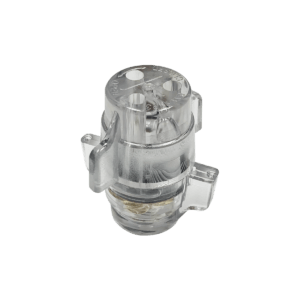
Pros:
- Ideal for standard wire sizes (10-14 AWG).
- Quick and easy installation.
- Moisture-resistant, especially in wet or damp conditions.
Cons:
- Not the best choice for mixed wire sizes.
- May not handle extreme environmental stress (e.g., heavy soil pressure or high moisture levels) as effectively as other options.
TracerLock Connectors
TracerLock connectors are a versatile, multi-purpose connector designed for systems with varying wire sizes (18 to 8 AWG). These connectors feature compression-style mechanisms that ensure a tight, long-lasting bond even when dealing with different wire gauges.
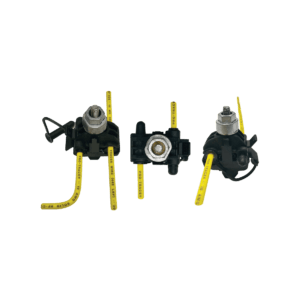
Pros:
- Handles mixed wire sizes without the need for adapters.
- Automatic wire stripping through fixed toothed blades.
- Robust polycarbonate body can withstand extreme temperatures and impacts.
Cons:
- Compression-style design may require more time for installation compared to simpler connectors like twist-ons.
Twist-On Connectors with Strain Relief
Twist-on connectors are designed to maintain a secure connection when soil shifts or backfill pressures are applied. These connectors feature a built-in strain relief mechanism that prevents wires from being pulled loose.
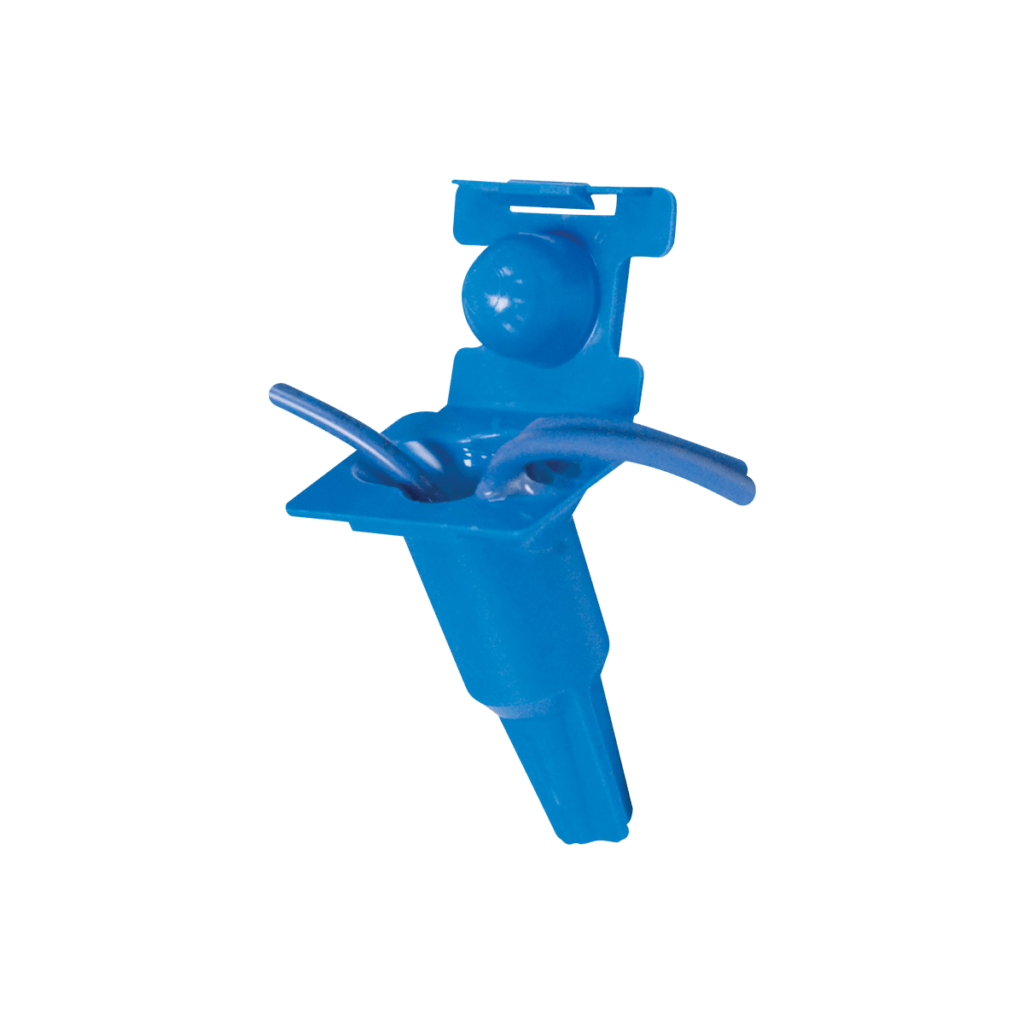
Pros:
- Great for smaller connections or where soil shifts are expected.
- Easy to install with minimal effort.
- Dielectric gel protects against moisture and corrosion.
Cons:
- May not be ideal for larger, high-stress connections.
- Can become loose over time if not installed properly.
Wire Nut Tube Connectors
Wire nut tube connectors are designed specifically for wet or harsh environments. They consist of a standard wire nut housed inside a sealed plastic tube filled with dielectric gel. This extra protection makes them ideal for locations prone to flooding or high water tables.
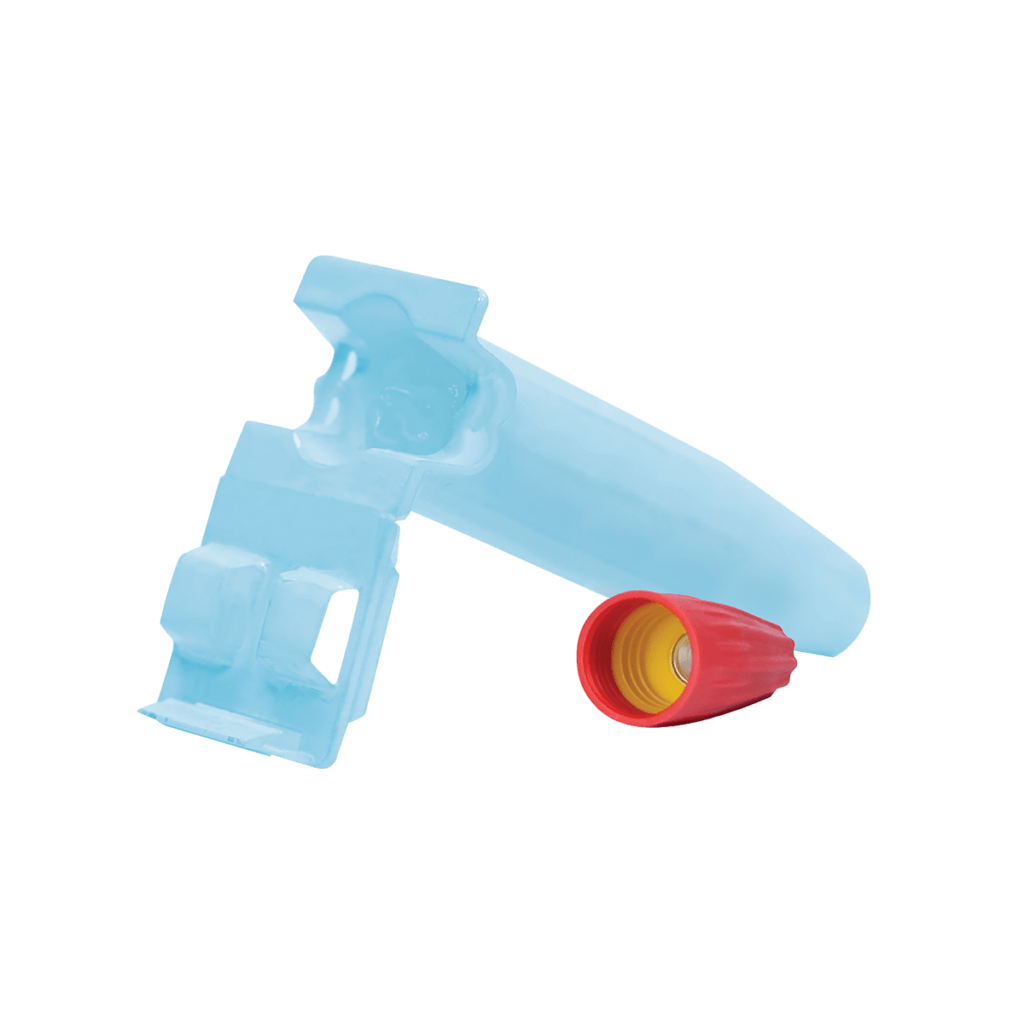
Pros:
- Double-layered protection against moisture.
- Ideal for areas with high water content or seasonal flooding.
- Affordable and easy to use.
Cons:
- Can be bulky and less flexible than other connector options.
Mainline-to-Service (MTS) Connectors
Mainline-to-Service (MTS) connectors are designed for connecting service lateral tracer wires to the mainline without needing to cut or disturb the mainline wire. These connectors ensure seamless signal continuity and reliability across the utility system.
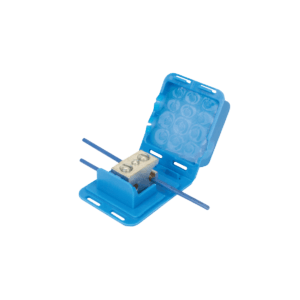
Pros:
- Maintains Signal Integrity: MTS connectors allow for a secure connection between the service lateral wire and the mainline without cutting the mainline, ensuring continuous signal flow throughout the system.
- Waterproof and Moisture-Resistant: Equipped with dielectric gel or silicone sealants, these connectors provide excellent protection against moisture, making them ideal for environments with high groundwater levels or wet soil conditions.
Cons:
- Limited to Lateral Connections: MTS connectors are specifically designed for connecting service laterals to the mainline and may not be suitable for general splicing or other types of connections.
- Wire Size Compatibility: Some MTS connectors only work with specific wire sizes. It’s essential to confirm that the connector matches the wire gauge used in your system to avoid performance issues.
Choosing the Right Tracer Wire Connector: Key Factors to Consider
Selecting the right connector for your tracer wire system depends on several key factors, from soil conditions to wire size. Each of these considerations will affect the longevity and reliability of your system. Here’s how to evaluate these crucial elements before making your decision.
1. Utility Type
Different utilities—gas, water, sewer, and electric—have unique requirements for tracer wire systems. For example, gas lines often demand more stringent waterproofing and resistance to corrosion, while water and sewer lines are exposed to constant moisture.
For each utility type, the best connector must be chosen based on its ability to handle the specific environmental conditions. Gas lines, for example, may require connectors that can handle higher stress and moisture exposure, while water lines may need connectors that provide superior waterproofing.
2. Wire Gage Compatibility
The wire gauge you select will directly impact which connectors will work best for your system. Mismatched connectors can cause resistance points, leading to signal loss and unreliable utility locating.
It’s important to understand which wire gauges are used in your system. For example, 10-14 AWG is common in mainline installations, while service laterals often require smaller gauges. TracerLock connectors are especially effective in systems with mixed wire gauges, as they can accommodate a range from 18 to 8 AWG.
3. Moisture Levels and Chemical Exposure
Soil moisture and chemical exposure play a significant role in the degradation of tracer wire connectors. Wet or chemically active soils can corrode metal components, disrupting the electrical signal and causing system failures.
Choosing connectors filled with dielectric gel or silicone can greatly reduce the risk of moisture infiltration. For highly corrosive soils, select connectors with UL 486G listings to ensure they can withstand moisture and chemical exposure over time.
4. Mechanical Stress Zones
Underground systems are exposed to constant physical stress from soil movement, trench compaction, and backfill pressure. High-stress areas such as mainline intersections, tees, and lateral connections require robust connectors that can handle these forces without compromising performance.
Compression-style connectors, like TracerLock, are often better suited for high-stress areas due to their durable construction and resistance to soil movement.
Installation Best Practices: Setting Your System Up for Success
Proper installation is key to ensuring that your tracer wire connectors function optimally throughout their lifespan. Here are a few best practices to follow during installation:
1. Avoid Bare Copper Exposure
Exposed copper wire can corrode quickly when buried, creating resistance points that impede the signal. To prevent this, ensure that no bare copper is exposed at connection points. This includes splicing wires at intersections, tees, or other connection points.
2. Use Dielectric Gel-Filled Connectors
Dielectric gel is an essential part of moisture protection. These gel-filled connectors create an airtight seal that prevents moisture from creeping into the connection, ensuring long-term performance even in wet or humid environments.
3. Ensure Proper Slack at Termination Points
When connecting tracer wires to access points or termination locations, ensure that you leave enough slack in the wire to accommodate soil settling and ground movement. Industry standards recommend at least 2 feet of slack at each access point and 5 feet at termination points.
Environmental Conditions and Long-Term Connector Performance
The longevity of your tracer wire system largely depends on the environmental conditions it’s exposed to. Understanding how different conditions impact connector selection can make a significant difference in the lifespan and performance of your system.
1. Soil Types
Different types of soil—such as clay, sand, or rocky terrain—can influence the choice of connector. Clay soil tends to retain moisture longer, requiring connectors with robust waterproofing. Conversely, sandy soils may require more strain-relief features to handle shifting soil pressures.
2. Temperature and Seasonal Changes
Extreme temperatures can also affect connector materials. For example, connectors made from polycarbonate or other high-impact materials are better suited for environments with freezing or extremely hot conditions.
3. Coastal Areas and Saltwater Exposure
Saltwater can accelerate corrosion, making it essential to select corrosion-resistant connectors in coastal areas. Connectors designed for these conditions should be made from materials resistant to saline environments.
Maintenance and Troubleshooting: Ensuring Long-Term Traceability
Even with the best installation practices, it’s important to regularly check and maintain your system to ensure it remains locatable over time. Here’s how to keep your tracer wire system in top condition:
1. Regular Inspections
Perform periodic visual inspections of your connectors to look for signs of corrosion, wear, or physical damage. If you notice any issues, it’s best to address them immediately before they affect signal integrity.
2. Troubleshooting Signal Issues
If your system isn’t providing a reliable signal, troubleshooting is necessary. Common problems include water infiltration into connectors, soil movement, or broken connections. Using an appropriate signal frequency tester can help locate the issue and confirm whether connectors are the problem.
Case Studies: Lessons Learned from the Field
Sometimes, real-world examples can help illustrate the importance of selecting the right connectors and maintaining your system. For instance, in a recent project involving a large municipal water system, connectors that were not waterproofed properly caused significant signal loss within months of installation. The waterlogged connectors led to delayed excavation projects and costly repairs.
In another case, an electric utility company opted for TracerLock connectors to manage varying wire gauges in an urban area. The system performed flawlessly for years, even under heavy soil pressure and high moisture conditions, proving that investing in quality connectors pays off in the long run.
Conclusion: Building a Reliable, Long-Lasting Tracer Wire System
Choosing the right tracer wire connectors isn’t just about connecting wires—it’s about ensuring the long-term functionality and safety of your underground utility system. By understanding the various types of connectors, installation best practices, and the environmental conditions at play, you can build a system that stays traceable for decades.
Regular maintenance and smart troubleshooting practices will further extend the life of your system, keeping it operational even in harsh conditions. Don’t underestimate the importance of proper connector selection—it’s an investment in the future of your utility network.