Skip to content


Ensuring Safety and Efficiency in Data Centers
The global data center construction market is poised for robust growth from 2026 through 2030, driven by accelerating demand for cloud services, artificial intelligence, hyperscale compute capacity, and edge infrastructure. Analysts forecast that the sector will require roughly $3 trillion in investment during this period to support the build-out of about 100 gigawatts of new capacity, nearly doubling global data center footprint by 2030.
While construction costs and lead times are rising, with power availability and sustainability increasingly shaping site selection, developers and hyperscalers are expected to maintain strong pipelines of large builds and specialized campuses. This sustained expansion signals continued opportunities for construction firms and capital markets involved in digital infrastructure.
Source: Moody’s predict’s $3 trillion global data center investment over five years
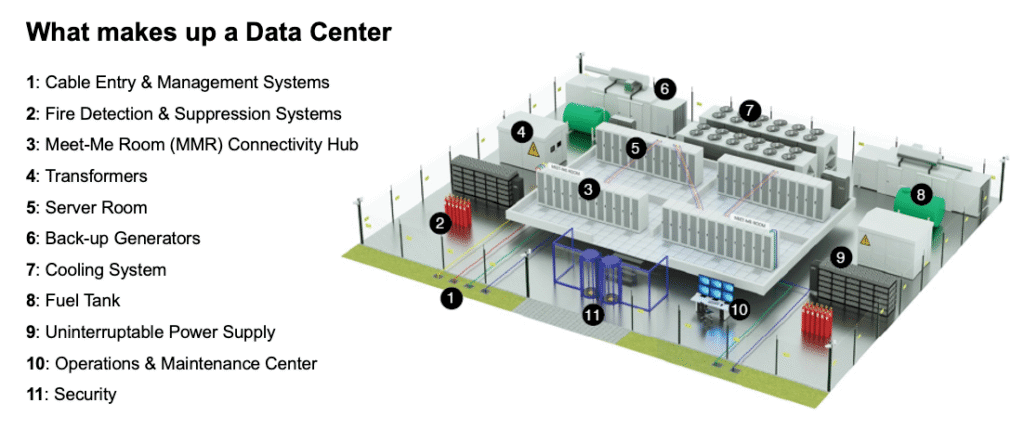
Data centers are the backbone of modern technology, housing critical infrastructure that powers our digital world. These facilities store, process, and manage vast amounts of data, making them essential for businesses, governments, and individuals alike. To ensure their smooth operation, safety and identification marking play a vital role in maintaining a secure and efficient environment.
From utilities to cable management, every aspect of a data center requires careful attention to detail.
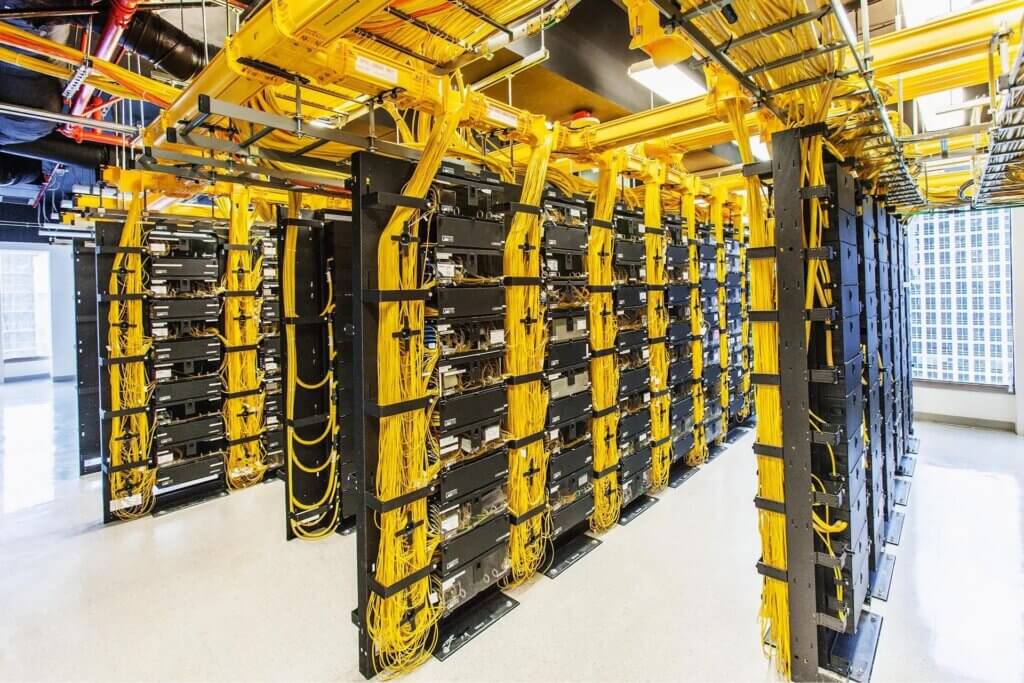
Cable Entry & Management Systems
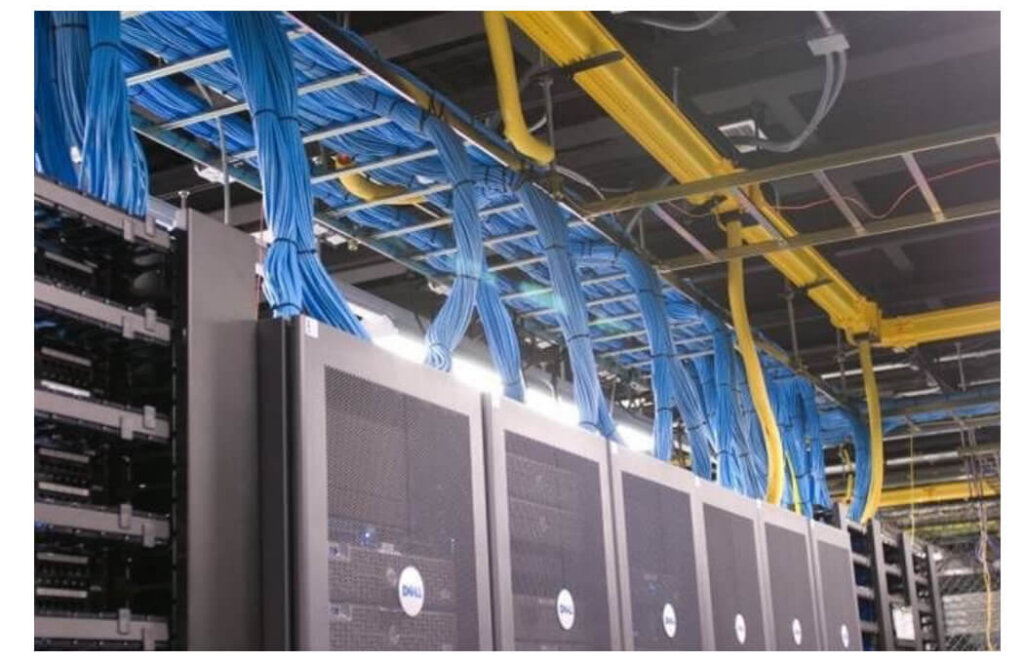
Effective cable management is critical in data centers to prevent downtime and ensure smooth operations. With thousands of cables running through the facility, proper identification is essential.
Various tools, such as:
- fiber optic cable tags,
- snap-around cable markers
- blank write-on markers
- wrap-around wire markers
- optimum RFID cable tags
help organize and label cables for easy identification and maintenance.
These tools allow technicians to quickly locate specific cables, reducing troubleshooting time and minimizing disruptions. Proper cable management also prevents accidental disconnections and ensures that the data center operates at peak efficiency.optim
Power Supply and Cooling Systems
Reliable power supply systems are the lifeline of any data center.
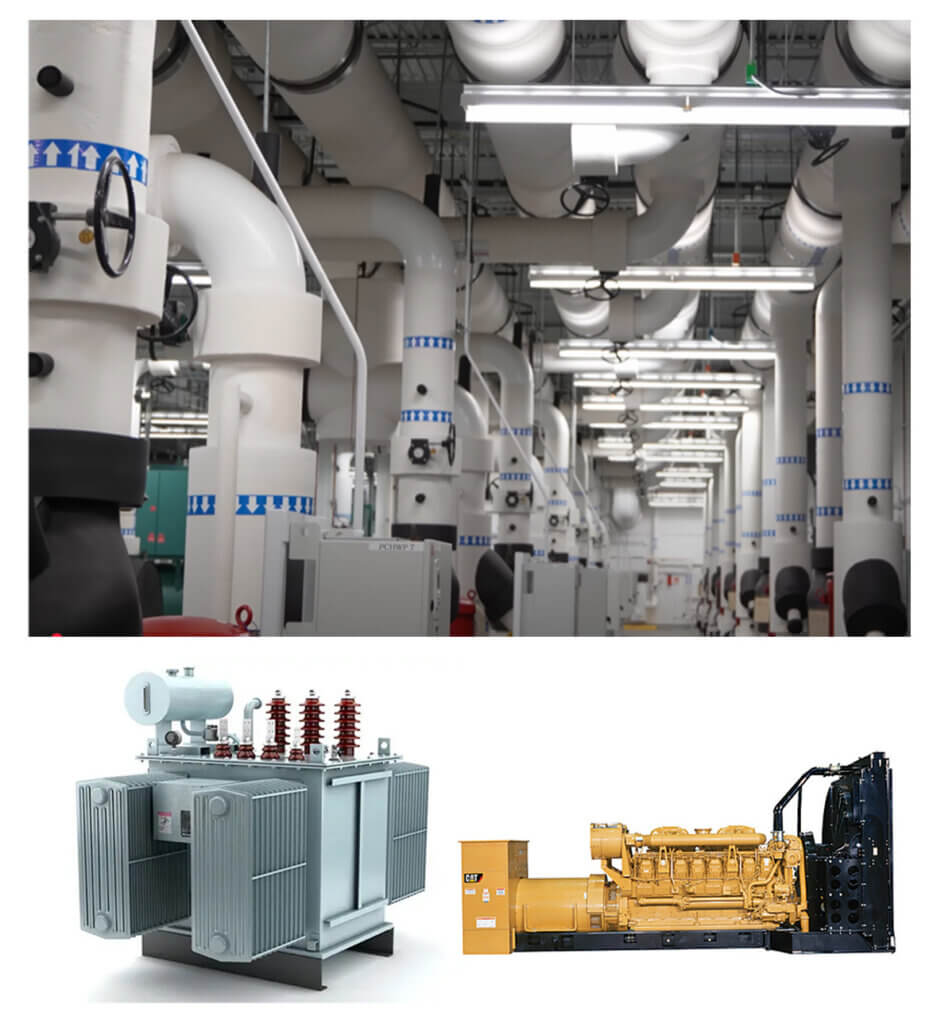
Transformers convert high voltage to low voltage for suitable usage, while uninterruptible power supplies provide emergency battery power during outages until backup generators can take over.
To ensure safe operation, these systems require clear labeling, including reflective numbers, danger high voltage signs, and transformer warning labels.
Cooling systems are equally important, as they maintain stable temperatures for servers that run continuously.
Proper labeling, such as:
- valve tags
- pipe content labels
- flow direction arrow labels
ensures efficient maintenance and operation of these systems, preventing overheating and potential damage to critical equipment.
Security, Operational Spaces, & Fire Suppression Systems
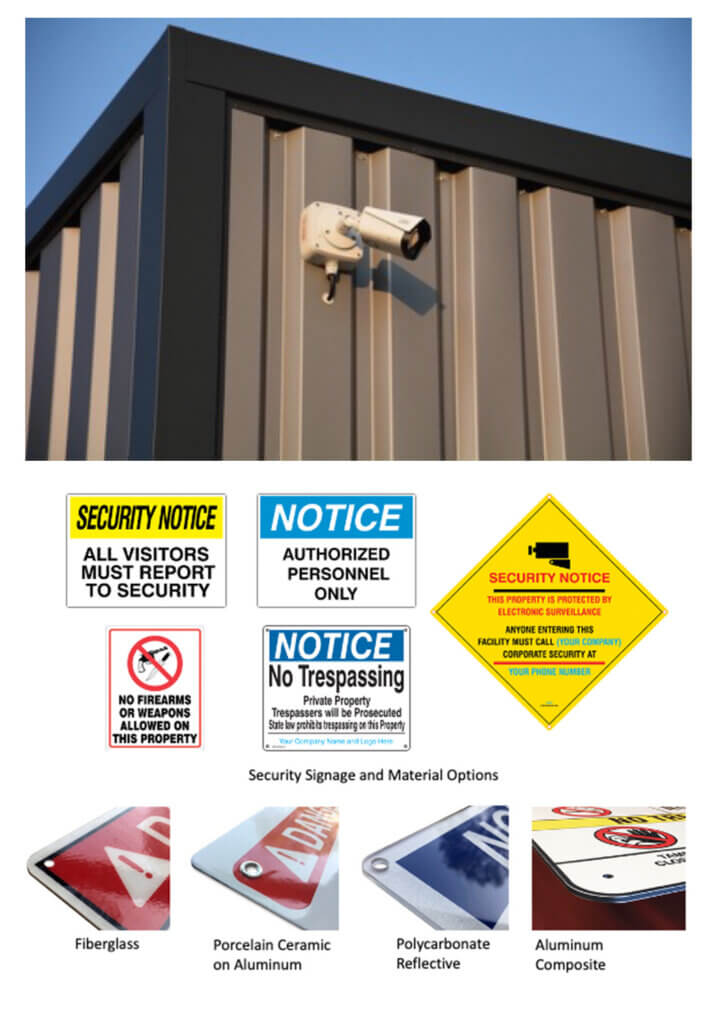
Security is paramount in data centers, as they house sensitive and valuable information that powers businesses, governments, and individuals worldwide. Effective security measures ensure that only authorized personnel have access to critical areas, protecting data and infrastructure from breaches, theft, or damage.
Operational spaces within data centers are equally critical for maintaining efficiency. These areas house tools, spare parts, and supplies necessary for maintenance and repairs. Proper organization and labeling in these spaces are essential to minimize downtime and ensure smooth operations. Engraved signs, RFID tool tags, and barcoded asset labels are commonly used to track and manage equipment, making it easier for technicians to locate and utilize resources when needed.
In addition to security and operational spaces, fire suppression systems are a vital component of data center safety. With the high density of electrical equipment and cabling, the risk of fire is a significant concern. Fire suppression systems are designed to detect and extinguish fires quickly, minimizing damage and ensuring the safety of personnel and equipment.
By integrating robust security measures, organized operational spaces, and reliable fire suppression systems, data centers can create a safe and efficient environment that protects critical infrastructure and ensures uninterrupted operations.
Utilities Serving Data Centers
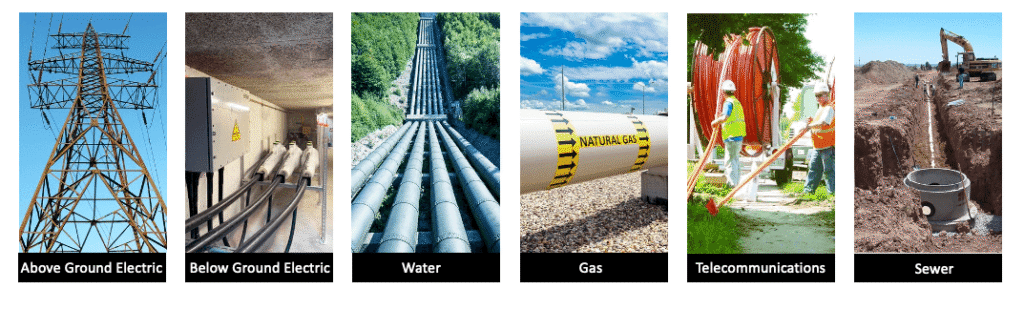
Data centers rely on vast networks of utilities to operate effectively. These include above-ground and below-ground power lines, massive water and sewer systems, fiber optic cables, and renewable energy sources like solar and wind. Proper identification and marking of these utilities are crucial to prevent accidents, ensure operational efficiency, and facilitate maintenance.
Above-ground electric lines, underground cables, water pipelines, gas lines, and telecommunications infrastructure all require clear labeling to avoid disruptions during construction or repairs. Safety markers and labels help workers identify utility locations, ownership, and operational details, reducing the risk of accidents and ensuring compliance with safety standards.
Safety Markers for a Secure Environment
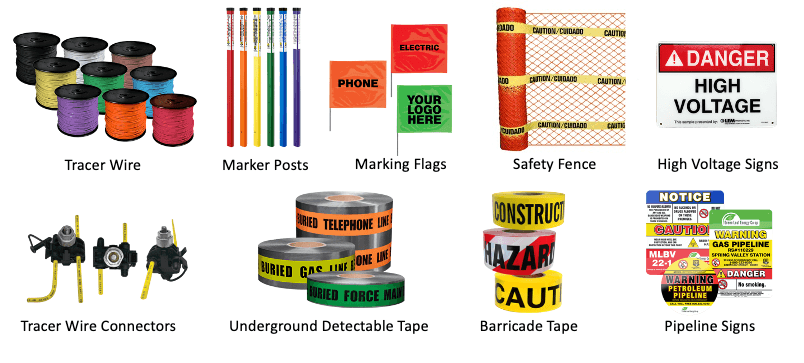
Safety markers are indispensable for maintaining a safe work environment in and around data centers. These include tracer wires and connectors for underground utility lines, marker posts for above-ground utilities, marking flags for excavation sites, detectable marking tape for buried lines, safety fencing, barricade tapes, pipeline signs, and high-voltage warning signs. These markers not only help identify utility locations but also warn of potential hazards, ensuring the safety of personnel and equipment.