 Skip to content


Essential Lockout Tagout Procedures: From Basic Tags to Switchgear Safety
Proper lockout tagout procedures save around 120 workers’ lives each year. Lockout tagout procedures are standardized safety practices that isolate equipment from power sources before any service work begins. OSHA requires employers to create specific energy control protocols with detailed steps to shut down, isolate, and secure machines. The procedures must also verify the isolation before any work starts.
This detailed guide covers everything in lockout tagout requirements, from simple tag selection to specialized switchgear safety protocols. You’ll discover different energy types, implementation steps, documentation methods, and training needs. The information in this piece will help you protect your workforce and stay compliant, whether you’re creating new safety protocols or improving existing ones.
Understanding Lockout/Tagout and Hazardous Energy
LOTO (Lockout/tagout) procedures are the foundations of industrial safety in workplaces everywhere. These procedures create important barriers between workers and energy sources that could be lethal.
Definition of Lockout/Tagout (LOTO)
Lockout/tagout describes safety procedures that ensure dangerous machinery stays properly shut off during maintenance or servicing. People often use “lockout” and “hazardous energy control” interchangeably, but they’re different concepts.
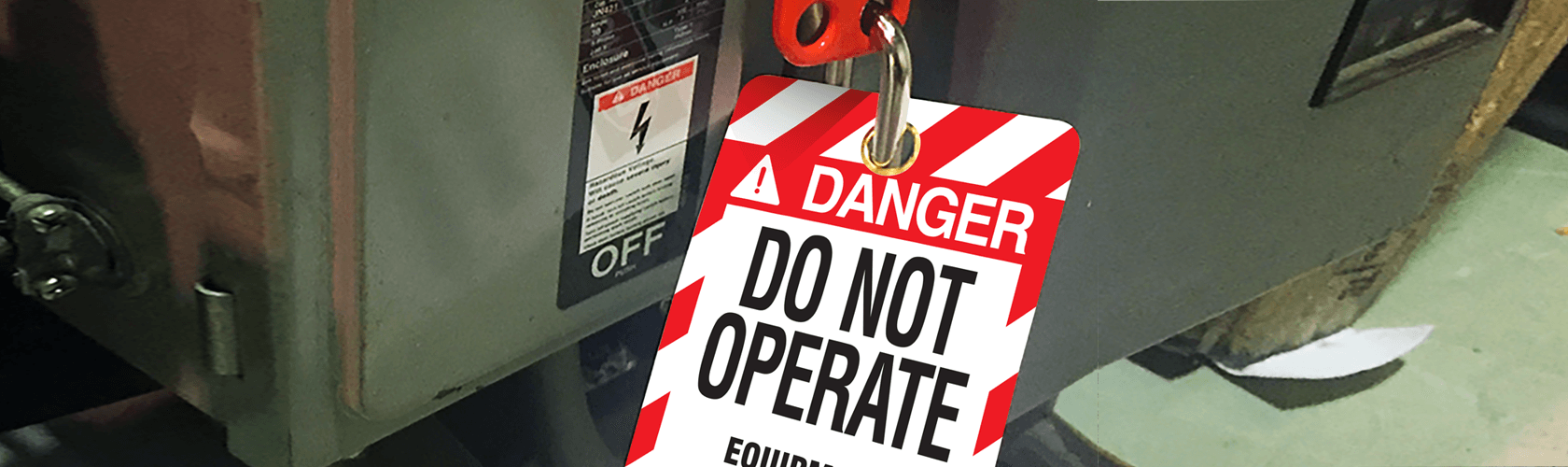
Hazardous energy control includes many methods that protect personnel from unexpected energy release. Lockout requires placing a physical lock and warning tag on energy-isolating devices. This shows the equipment must stay inactive until someone removes the lock.
A complete LOTO system has two main components:
- Lockout devices (such as padlocks): Physical mechanisms that keep energy-isolating devices in a safe position to prevent unexpected equipment startup
- Tagout devices: Warning labels that clearly show when equipment shouldn’t be operated
Energy-isolating devices are vital in this process because they physically block energy release. Circuit breakers, disconnect switches, line valves, blocks, and similar devices isolate energy from equipment.
What are lockout tagout procedures under OSHA 1910.147?
OSHA standard 1910.147 for Control of Hazardous Energy (Lockout/Tagout) sets the baseline for workplace safety regulations. This standard, active since 1990, creates minimum requirements that protect employees from potentially deadly hazards.
General industry workers who service or maintain equipment face exposure to unexpected startup or hazardous energy release. The standard covers activities like:
- Equipment installation, inspection, and modification
- Machine adjustment, lubrication, and unjamming
- Tool changes where energy release might cause harm
OSHA 1910.147 identifies two types of employees:
- Authorized Employees: People who lock out machinery for servicing or implement procedures
- Affected Employees: Workers who operate serviced equipment or work nearby
OSHA estimates show this standard saves about 120 lives and prevents 50,000 injuries each year. These numbers prove its importance in workplace safety.
Types of hazardous energy: electrical, mechanical, thermal, and more
Workplaces contain several forms of hazardous energy with unique risks:
Electrical Energy: This is the most common workplace energy. It flows through power lines or stays stored in batteries and capacitors. Workers face risks of shock, secondary injuries, or electrical arcs. Electrocution remains one of the “Fatal Four” leading causes of construction deaths.
Mechanical Energy: Items under tension, like compressed springs, contain this energy. Its release can crush workers or hit them with moving parts. Jammed conveyor systems that suddenly release show this danger.
Thermal Energy: This comes from explosions, flames, extreme temperatures, or heat radiation. Workers often get burns, scalds, or frostbite from exposure. Steam valves that activate while workers fix downstream connections demonstrate this risk.
Additional hazardous energy sources include:
- Hydraulic energy (pressurized liquids in accumulators or lines)
- Pneumatic energy (pressurized gas in tanks)
- Chemical energy (through chemical reactions)
- Stored energy (found in batteries and capacitors)
Workers stay safe from serious injury or death only when we are willing to identify these energy types and implement proper lockout tagout procedures.
Risks of Uncontrolled Energy During Maintenance
Workers who don’t control hazardous energy face immediate and severe consequences. Three million workers who regularly service equipment risk their lives due to unexpected energy release during maintenance. LOTO procedures save lives and aren’t just another set of rules to follow.
Real-life accident examples from OSHA reports
OSHA incident reports show a pattern of accidents that could have been prevented if workers had followed proper lockout tagout procedures. Steam valves suddenly activate and cause severe burns to maintenance staff working on downstream piping connections. These accidents happen because nobody isolated the energy sources before starting the work.
Jammed conveyor systems create another dangerous situation. Workers who don’t use proper LOTO get caught in moving parts when stored mechanical energy releases without warning. This leads to crushing injuries that could have been avoided.
Electric shocks happen to repair technicians because they don’t de-energize circuits properly. The risk becomes even higher for staff who try to clear machine jams without following lockout tagout steps. Their limbs get caught in equipment that activates suddenly, which often leads to severe trauma or amputation.
Common injuries: electrocution, burns, crushes, amputations
Poor hazardous energy control leads to devastating physical injuries. Workers who skip proper lockout tagout procedures often suffer these serious injuries:
- Electrocutions: Live electrical parts can cause deadly shocks or severe burns
- Thermal burns: These happen most often when steam or hot fluid valves activate unexpectedly
- Crushing injuries: Mechanical equipment moves suddenly and traps worker’s body parts
- Amputations: Machine activation catches limbs and tears them off
- Lacerations: Moving blades or sharp equipment parts cut into flesh
- Broken bones: Machine parts fall or pressure releases cause fractures
These injuries need long recovery times. Workers hurt by hazardous energy miss 24 workdays on average each year. This means physical pain and lost productivity for companies.
Why proper lockout tagout procedures prevent 120+ fatalities annually
Complete LOTO procedures save about 120 lives and prevent 50,000 injuries yearly in American workplaces, according to OSHA estimates. LOTO works because it creates multiple safety barriers between workers and hazardous energy.
Proper procedures stop machines from starting unexpectedly. They also warn others that equipment needs maintenance. Workers must verify that energy isolation works before they start any job. Machinery has been de-energized and that energy isolation is working before commencing with any maintenance or repairs.
OSHA standard 1910.147 covers electrical, mechanical, hydraulic, pneumatic, chemical, and thermal energy sources that could cause fatal accidents. The standard keeps workers safe by requiring specific steps to isolate each type of energy.
LOTO procedures work better than other safety rules because they remove all chances of system reactivation during maintenance. While other protocols try to reduce risk, LOTO procedures want to eliminate exposure to hazardous energy completely.
Step-by-Step Lockout Tagout Procedures Explained
A systematic approach and attention to detail make lockout tagout procedures work effectively. These six critical steps create a reliable barrier between workers and hazardous energy during maintenance work. Let’s get into each phase of the process to understand how proper implementation saves lives.
Step 1: Preparation and equipment identification
The success of any LOTO procedure starts with detailed preparation. Authorized employees need to identify all potential hazardous energy sources—electrical, mechanical, hydraulic, pneumatic, thermal, or chemical. This step requires gathering hardware like locks, tags, chains, wedges, and other blocking devices that match the specific machinery. A detailed understanding of the equipment will help identify all energy sources and potential stored energy points.
Step 2: Notification of affected employees
Authorized personnel must tell all affected employees about upcoming maintenance before starting any lockout procedure. The communication should specify which equipment needs locking out, the reasons, how long it will take, and who will handle the procedure. OSHA requires this notification before applying controls and after removing them when work finishes.
Step 3: Shutdown and isolation of energy sources
The equipment needs proper shutdown to prevent additional hazards from sudden stops. The next step involves finding and operating all energy-isolating devices to disconnect equipment from power sources. Note that push buttons, selector switches, or other control circuit devices cannot isolate equipment—proper isolation needs circuit breakers, closed line valves, or similar physical barriers.
Step 4: Application of lockout/tagout devices
Authorized employees must attach appropriate lockout devices to each energy-isolating mechanism after isolation. These devices should resist removal without excessive force. Each device needs unique identification, standardized colors or shapes, and exclusive use for energy control. The employee who attached the device should be the only one authorized to remove it.
Step 5: Verification of isolation
The next step requires relieving, disconnecting, or restraining all stored energy. This might include releasing spring tension, venting pressurized fluids, draining capacitors, or blocking moving parts. The authorized employee must verify isolation by trying to operate the equipment—usually by pressing start buttons and returning them to “off.” This verification confirms zero energy state before maintenance begins.
Step 6: Removal of devices and re-energization
The work area needs inspection after service completion to ensure removal of all tools and intact equipment components. All affected employees should receive notification and move to safe positions away from danger points. The removal of lockout/tagout devices follows a specific sequence that ensures safety. The equipment can power up only after confirming all personnel are clear of the area.
LOTO Tags and Switchgear Tags: Selection and Use
Physical tags and identification systems are vital visual elements in any lockout tagout program. Safety efforts fail when workers pick the wrong tags, even with perfect protocols. Tags must be durable and clear to mark hazardous energy sources properly during maintenance work.
While general lockout tags are used for the shutdown of machinery, Switchgear Tags are a specialized type of lockout tag use in the transmission and distribution industry.
Switchgear tags are designed for applications where field conditions are continuously changing such as the electrical utility Transmission and Distribution (T&D) industry. Switch Tags are designed to address the multiple and ever-changing requirements of Switching and Tagging as it is commonly known.
The legends and spaces for hand-written information on Switching Tags is designed to address and accommodate the clearances, supervisory requirements and authorizations from operators and supervisors. The clearances are a critical safety check before any switching procedures are performed by field technicians since some switches cannot be locked. This is an NESC requirement so that supervisors and operators create and maintain a record of operating changes and that field personnel can similarly verify and record changes and conditions from the field.
Material durability:
Lockout tagout procedures happen in tough environments where tags must take a beating. More importantly, Lockout Tagout Tags must be durable enough to maintain their applied position to inform of a lockout.
Message clarity: color coding and warning language
According to OSHA, lockout tags must:
- Meet standardized color, shape, and size requirements, be clearly legible, and offer clear instructions to employees.
- Be labeled to identify the specific employee who is authorized to both apply and remove the tag.
All of Trident’s LOTO tags meet the ANSI Z535 standards for color and design.
Attachment methods: nylon ties, grommets, and self-locking tags
Your tags’ attachment method can make or break lockout tagout procedures.
Even the best-designed tag becomes useless if it falls off during critical maintenance.
OSHA requires that all lockout tags:
- Be durable enough to withstand workplace conditions, even when used near corrosive components or in wet environments.
- Be substantial enough to reduce the chances that the tag would be accidentally removed.
Lockout tags by Trident are made from 15 mil PVC with either metal or plastic, non-conductive eyelets. These tags withstand 50 lbs. of pull-force.
Training, Inspections, and Legal Compliance
Training is the life-blood of any OSHA-compliant lockout tagout program. Proper education will give all team members a clear understanding of their safety responsibilities. Let’s get into the key components that keep programs compliant.
Training requirements for authorized vs affected employees
OSHA distinguishes training needs based on employee roles. Authorized employees need complete instruction that covers:
- Recognition of applicable hazardous energy sources
- Details about energy type and magnitude present in the workplace
- Methods for isolating and controlling hazardous energy
Affected employees need targeted training that focuses on:
- Understanding the purpose of energy control procedures
- Recognizing when LOTO procedures are being implemented
- The importance of not tampering with locked-out equipment
All other employees who work in areas with LOTO activities need simple awareness training about procedures and equipment restart restrictions.
Each employee’s name and training dates must appear in documentation. Retraining becomes necessary after job changes, new equipment installation, procedure updates, or when inspections show knowledge gaps.
Annual inspection and certification protocols
Each energy control procedure needs inspection at least yearly to verify its effectiveness. These reviews confirm proper implementation, check employee knowledge of responsibilities, and spot potential problems.
An authorized employee who doesn’t use the procedure must watch a representative sample of authorized employees performing LOTO tasks during inspections. Documentation should certify inspection completion with equipment details, dates, employee names, and inspector information.
Common audit findings and how to fix them
Training gaps show up as the biggest problem in violations. Many organizations use generic instruction or skip regular updates. The solution lies in creating customized training programs with complete, yearly instruction from safety experts.
Equipment changes often leave procedures outdated. Regular reviews help procedures stay current. Organizations don’t deal very well with proper inspection documentation or skip them altogether. A structured inspection schedule and consistent documentation system creates quick fixes for these issues.
Sample lockout tagout procedures documentation tips
Good LOTO documentation includes specific machine information with clear energy source identification. Adding photos of isolation points cuts implementation time by 40%. Well-laid-out procedures support compliance and help workers understand critical safety protocols better.
LOTO procedures go beyond just meeting regulations – they save lives and deserve full implementation. Poor energy control can lead to devastating results like electrocutions, burns, crushing injuries, and amputations. Time spent developing specific procedures for each machine, quality training programs, and regular audits will pay off in worker safety.
Small details often separate a compliant LOTO program from one that really works. Take a close look at your current procedures to find gaps. Make sure you identify all energy sources and your documentation shows clear visuals of isolation points. Setting up reliable lockout tagout practices takes work, but protecting your workforce makes it worth the investment. Safety protocols matter because they help every worker get home safely each day.