 Skip to content


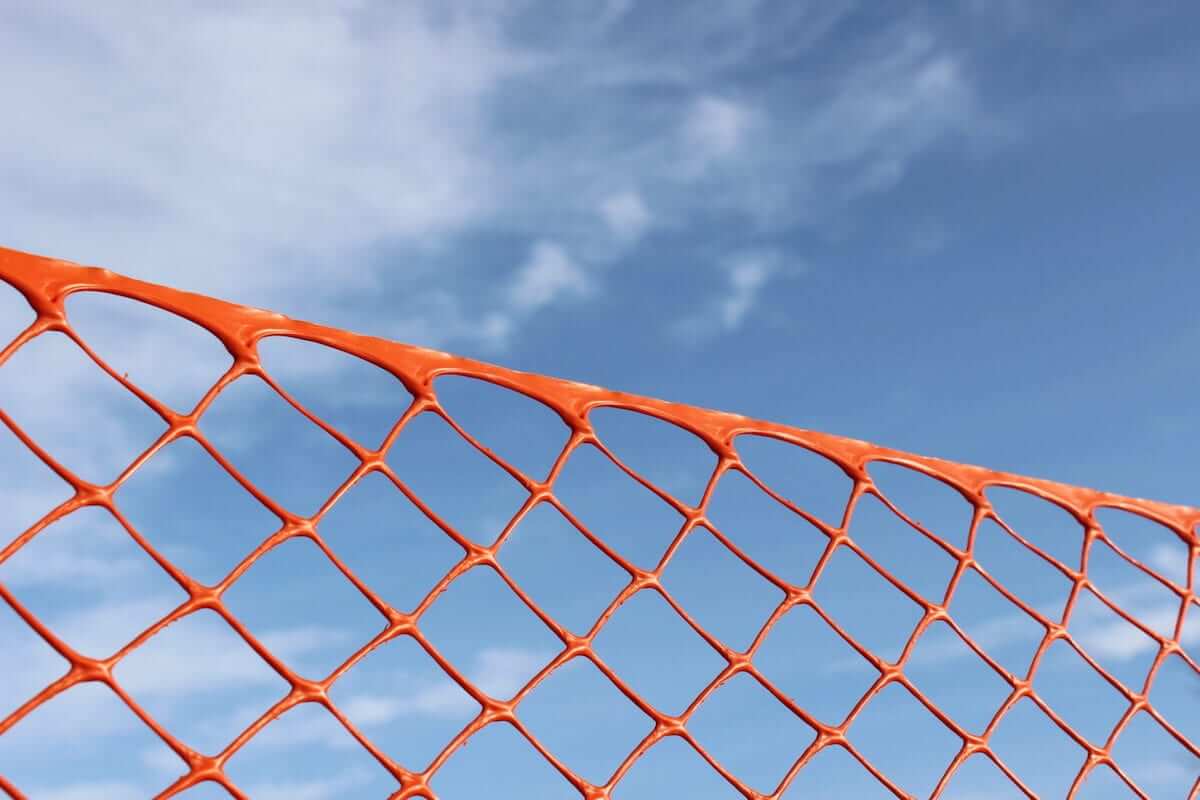
When you’re setting up a work zone, few decisions matter more than selecting the right safety fence. Whether you’re controlling access, guiding foot traffic, or protecting an active area, the right mesh fence solution keeps things organized without slowing your crew down.
Quick Pick: Which Safety Fence Should You Use?
- Diamond → Long runs, high wind, maximum strength
- Standard → Every-day jobsite use
- Economy → Short-term, fastest setup, lowest cost
- Message → When built-in signage is needed
Most teams don’t think much about temporary fencing until something goes wrong. A line starts to sag, a section pulls loose in the wind, or people begin walking through areas they shouldn’t. At that point, the fencing is no longer doing its job. That’s why choosing the right mesh rolled fencing from the start matters.
This guide breaks down your options and helps you choose the best fit using real-world jobsite priorities.
What Makes a Good Safety Barrier Fence?
A reliable safety barrier fence should do three things well:
- Stay visible in all conditions
- Hold tension across longer spans
- Install quickly without constant adjustment
That’s where orange vinyl fencing designs stand out. The high-visibility color, lightweight structure, and flexible installation of plastic mesh fence options make them a go-to for construction crews, utility teams, and event setups.
When the right fencing is installed correctly, it becomes something you don’t have to think about again. It simply works in the background while your project moves forward.
Understanding Your Options in Fencing & Skirts
Not every jobsite has the same demands. Some require long-term durability, while others need fast setup and removal. Choosing the right option within your fencing & skirts setup makes a noticeable difference in both performance and labor time.
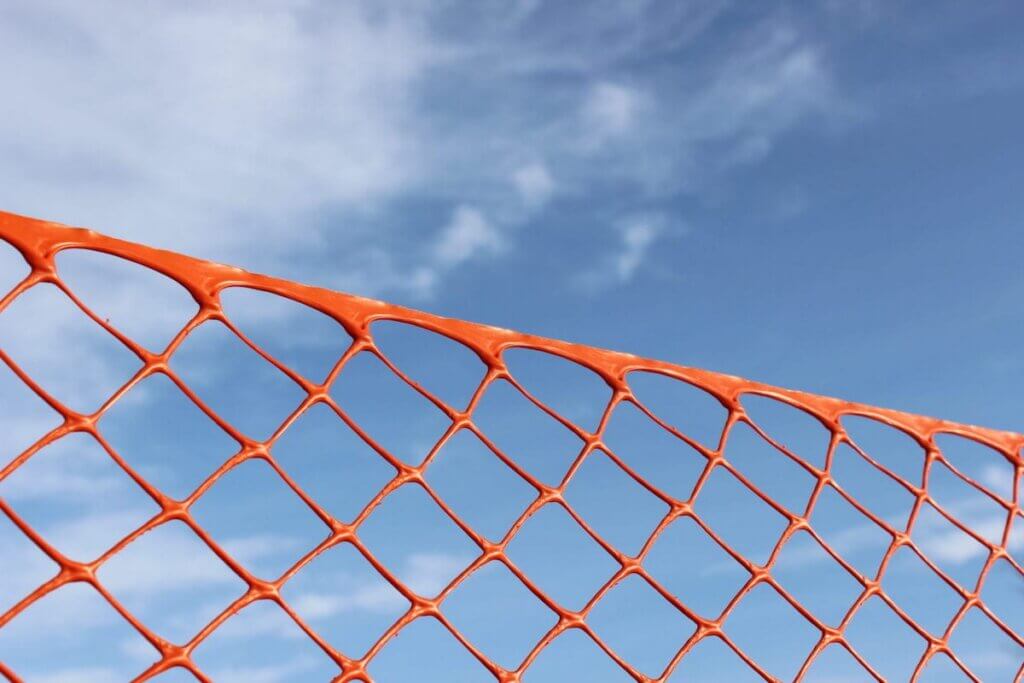
Diamond Safety Barrier Fence
The Diamond Safety Barrier Fence is built for strength and extended runs. Its diamond-pattern structure provides added rigidity, allowing for wider post spacing and better performance in demanding environments.
Best for: Long-term projects, Larger perimeter control, Areas with higher wind or foot traffic
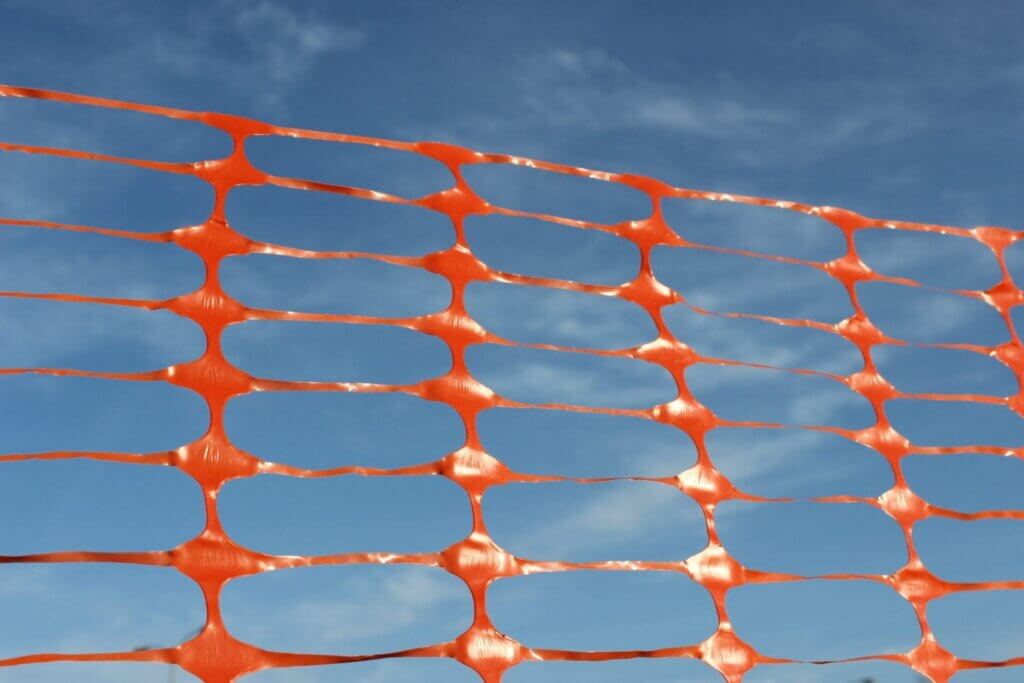
Standard Safety Barrier Fence
The Standard Safety Barrier Fence strikes a balance between durability and flexibility. It is a dependable option for everyday use where conditions are moderate but consistency still matters.
Best for: General construction sites, Utility work zones, Temporary boundary marking
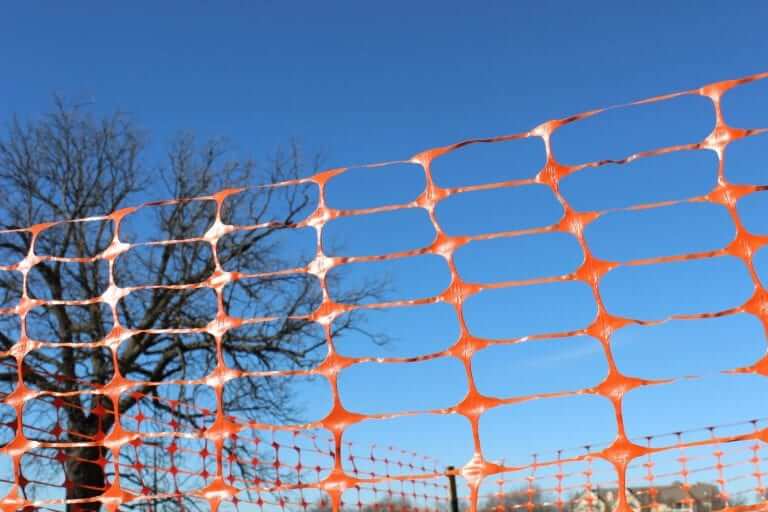
Economy Safety Barrier Fence
The Economy Safety Barrier Fence is designed for quick deployment and short-term use. It is lightweight and easy to handle, making it ideal when speed and cost are the main drivers.
Best for: Short-term projects, Event control, Low-impact areas
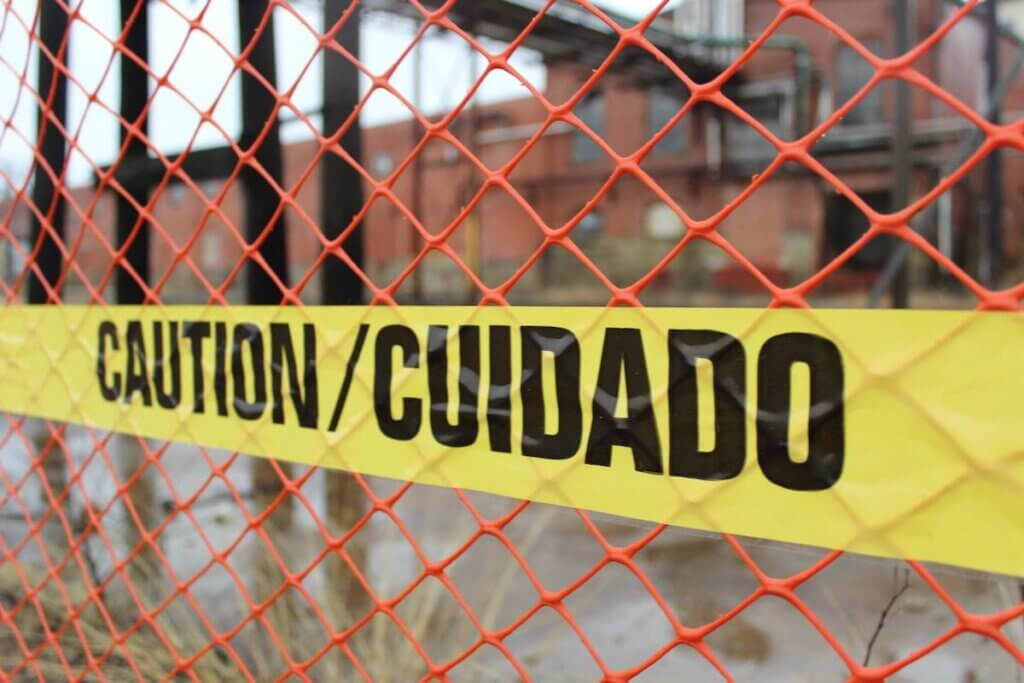
Diamond Message Barrier Fence
The Diamond Message Barrier Fence combines the strength of diamond mesh with built-in messaging. This allows you to communicate warnings or instructions directly on the fence line without needing additional signage.
Best for: Safety messaging at scale, High-traffic public areas, Sites requiring clear instructions
How to Choose the Right Mesh Rolled Fencing
Instead of overthinking specs, focus on how your site actually operates day to day.
- Distance between posts → Longer spans benefit from stronger mesh like diamond patterns
- Duration of use → Short-term setups can use lighter options without overbuilding
- Traffic and exposure → Wind, foot traffic, and equipment require more durability
- Communication needs → Message fencing can reduce the need for additional signage
A common mistake is choosing based only on price. In reality, labor and rework often cost more than the material itself. The right safety fence should hold its position, require minimal adjustments, and stay effective for the duration of the job.
Installation Guide and Tips
Step One
Set T-posts no more than 6ft apart for Economy Safety Barrier Fencing. 8ft apart for Standard Safety Barrier Fencing and 10ft for Diamond Barrier Fencing. T-posts are recommend for solid installation, but other posts such as Landscape Stake or rebar can come in handy for additional supports.
As an alternative, Steel U-Channel posts can be used. Steel U-Channel posts provide a clean, consistent fence line and are especially useful when alignment matters or when a more uniform appearance is preferred. Landscape stakes or rebar can also be used for additional support when needed.
Step Two
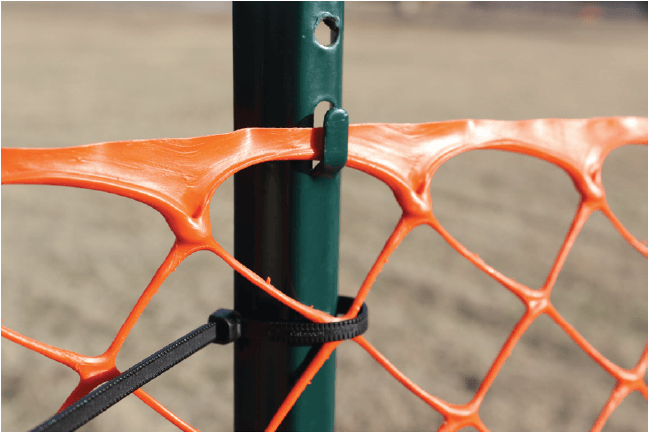
Attach the Safety Barrier fence to one T-post by using a zip tie. Pull the Safety barrier fence taut and secure to each post with zip ties. Be sure to secure the post at both the top of the T-post to keep the fence from drooping and also at the bottom of each T-post to keep the Safety Barrier Fence close to the ground. This will help keep trash and animals from entering the work area.
Step Three
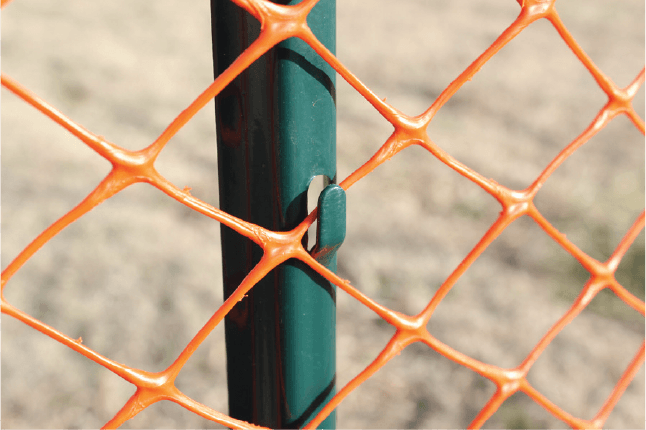
Be sure to utilize the “teeth” of the T-post keep the Safety Barrier Fence from sliding down the post. This will help secure the fence and improve the longevity of the fence.
Additional Tips
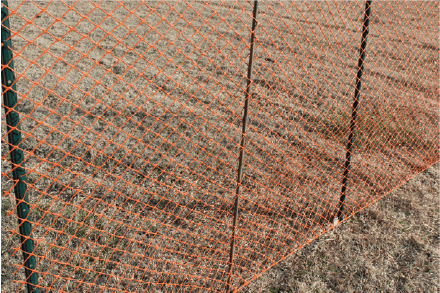
Weaving rebar through the grid of the fence and driving it into the ground between two T-post can help increase the strength of the fence.
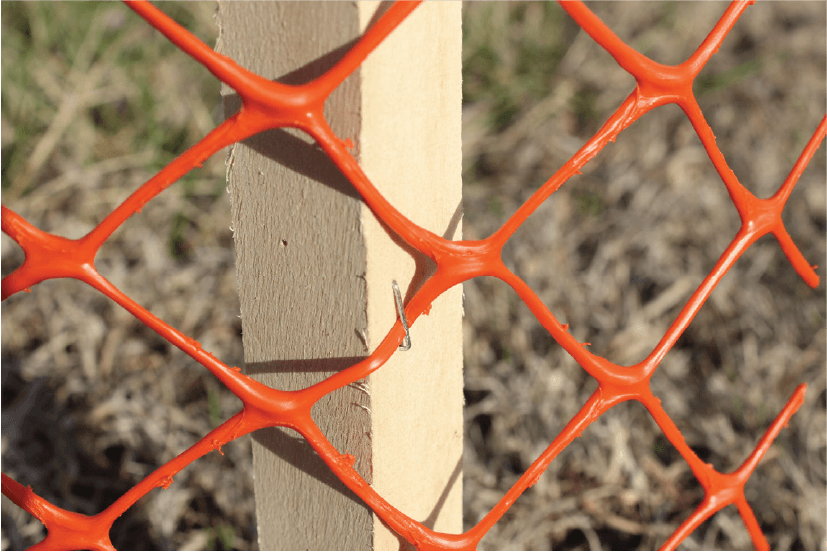
If T-posts are not available and landscaping stakes are used staples, in addition to zip ties, can be used to secure the fence to the stake.
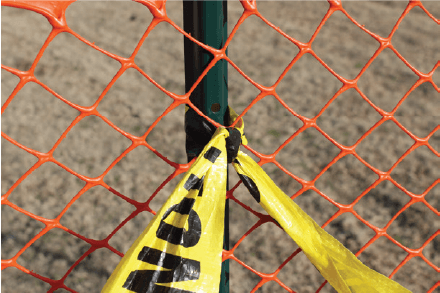
If zip ties are not available you can use Presco Barricade tape or Roll Flagging as a way to secure the fence to the posts.
Final Thoughts
Choosing the right plastic mesh fence is not about picking the most expensive option. It is about understanding your site conditions and selecting a solution that performs reliably from day one.
Whether you need the strength of the Diamond Safety Barrier Fence, the balance of the Standard Safety Barrier Fence, the speed of the Economy Safety Barrier Fence, or the added communication value of the Diamond Message Barrier Fence, the right setup will save time, reduce maintenance, and keep your jobsite running smoothly.
When the fencing is doing its job, your crew can stay focused on theirs.