 Skip to content


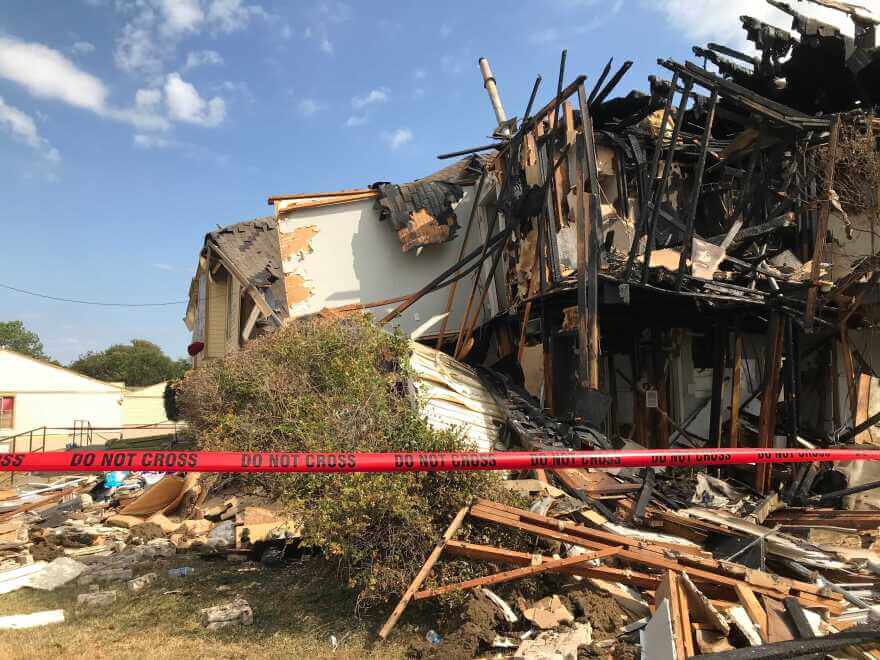
The recent natural gas explosion in Dallas that claimed three lives, including a child, has shaken communities across Texas and the utility industry alike. Preliminary reports indicate that a gas line may have been damaged during soil testing activities near an apartment complex in Oak Cliff before the explosion occurred. Investigators continue to determine exactly what happened, but one thing is already clear: every utility strike carries the potential for devastating consequences.
For those of us in the utility industry, incidents like this are more than headlines. They are reminders of why damage prevention matters and why every step in the process—from locating and marking to excavation and verification—must be taken seriously.
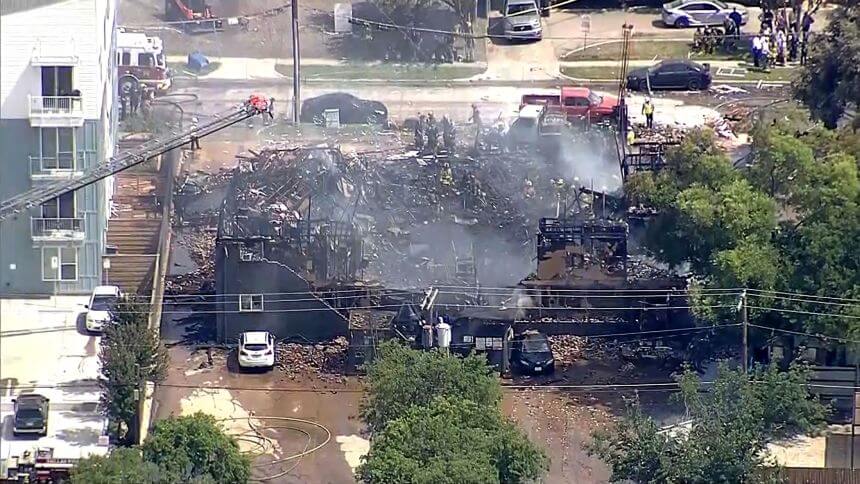
Calling 811 Is Essential, But It’s Not the End of the Process
Public records indicate that a notification was made through Texas811 before soil testing work began at the site. Yet a gas line was still reportedly struck.
This is an important reminder for contractors, excavators, municipalities, and utility owners alike: calling 811 is the first step, not the last step.
When underground infrastructure is involved, safety depends on multiple layers of protection working together:
- Accurate utility records
- Proper utility locating and marking
- Verification of marked facilities
- Safe excavation practices
- Clear communication between all parties
- Permanent identification of underground assets
If any one of these layers breaks down, the risk of damage increases dramatically.
The Dallas incident also comes at a time when industry leaders are raising concerns about the state of damage prevention nationwide.
In a recent NULCA article titled “This System Is Designed to Fail,” experts argue that preventing utility damages requires more than a call to 811—it requires a coordinated system of accurate records, effective locating, clear communication, proper marking, and safe excavation practices. The tragedy in Dallas underscores why strengthening every link in that chain matters.
Utility Strikes Are More Common Than Many People Realize
While the Dallas explosion has brought national attention to underground utility safety, utility strikes occur every day across Texas and the United States.
According to recent reporting using Railroad Commission of Texas data, excavators have damaged underground pipelines more than 4,800 times in Texas so far this year. More than 1,000 of those incidents occurred in the Dallas-Fort Worth region alone.
Many of these incidents result in gas leaks, service interruptions, property damage, and costly repairs. In the most severe cases, they can lead to injuries or fatalities.
The reality is that underground infrastructure is becoming increasingly congested. Utilities installed decades apart now share the same corridors. New construction, redevelopment projects, and geotechnical investigations all increase the likelihood of excavation activity near critical infrastructure.
That makes visibility more important than ever.
Were the Right Safety Measures in Place?
As investigations continue, many questions remain unanswered.
- Were all underground facilities accurately located?
- Were all utility markings visible and clearly understood by crews on-site?
- Were verification methods used before drilling began?
- Were permanent markers and identification systems present and maintained?
These are not questions of blame. They are questions of prevention.
Every incident presents an opportunity for the industry to evaluate its processes and identify opportunities for improvement.
Why Permanent Utility Identification Matters
Temporary paint markings and flags serve an important purpose, but they are only one part of a complete damage prevention strategy.
Permanent utility markers provide a long-term visual reminder of what lies below the surface. They help contractors, property owners, inspectors, and maintenance personnel identify critical infrastructure years after installation.
When properly deployed, utility markers can:
- Improve awareness of underground assets
- Support safer excavation practices
- Help crews identify utility corridors before digging
- Reinforce information provided through locating services
- Reduce the likelihood of accidental strikes
At Trident Solutions, we work with utility operators, municipalities, and contractors every day to improve the visibility of underground infrastructure. While no single product can eliminate risk entirely, effective utility identification systems provide an additional layer of protection that can help prevent costly and dangerous incidents.
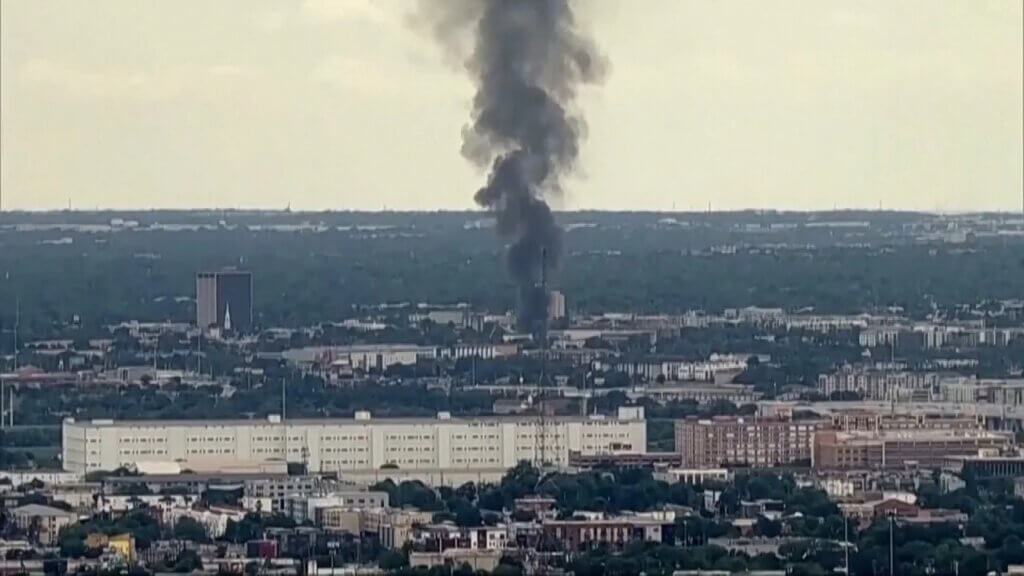
The Industry Must Stay Vigilant
The Dallas explosion serves as a heartbreaking reminder that damage prevention is not a one-time activity. It is an ongoing commitment shared by utility owners, locators, contractors, engineers, municipalities, and property developers.
The goal is simple: ensure that everyone goes home safely.
As more details emerge from the investigation, the utility industry will undoubtedly learn valuable lessons. The best way to honor those affected is to apply those lessons, strengthen safety programs, and continue improving the processes designed to protect people and infrastructure.
Take Action Before the Next Incident
Now is the time to evaluate your damage prevention program.
Review your utility marking standards. Audit your identification systems. Confirm that underground assets are visible, documented, and protected.
If your organization would like assistance evaluating utility identification practices, Trident Solutions can help. Our team works with utility operators and contractors across North America to develop effective marking and identification programs that improve visibility, support compliance, and help reduce the risk of accidental utility strikes.
Because when it comes to underground infrastructure, what you can’t see can absolutely hurt you.